Call Us For a FREE Estimate
Get a Free Estimate
Getting your basement waterproofed shouldn't be scary OR expensive!
Why a leaking roof needs to be repaired or replaced
Do raindrops keep falling on your head? Wait—what do you mean you’re inside the house? That’s definitely not something you should ignore! Repair or replace your leaking roof right away. Here are some pretty compelling reasons why a roof fix is not a task that you should put off.
Interior damage
Leaks will wreak havoc on your interiors. Water that seeps in from the roof can easily affect a variety of structures inside your home. If the leaks are severe enough, there might even be some flooding. Roof leaks can be caused by a wide variety of issues. For example, improper gutter alignment and positioning can cause overflow to find its way into the interior, where it definitely shouldn’t be. This could cause roof timbers to rot, weakening the structure, and eventually causing serious and expensive damage to the home.
Even a small leak can cause major complications if left unchecked for too long. Warped rafters, damaged ceilings, compromised insulation, and eventually interior damage are all possible outcomes. This damage will in time affect the structural integrity and value of your home.
Mold
With water and moisture getting inside your home, mold is the next great concern after water damage. This is especially true if leaks are left unnoticed or unattended for a relatively long time. The moisture often leads to mold growth inside your home, which can be hard to treat.
Mold exposure can cause health issues for people who have asthma or allergies and can lead to a variety of chronic illnesses. Living in a home with moldy walls and ceilings and the musty odor that accompanies it, is something you definitely want to avoid.
Hazards
The deterioration of structures around or under the roofing is potentially dangerous for the people living in the home. You don’t want any electrical systems getting shorted with the potential fire hazard that could result. Pipes can also rust over time with further serious consequences.
Energy efficiency
Leaking roofs can affect your attic insulation, which can then affect your home heating. This can translate into a larger-than-necessary electricity bill, especially during the colder months of the year. Fixing the leak ensures you are water-tight and energy efficient.
Fixing the leaky roof
A variety of different factors can cause your roof to leak. Zeroing in on the root cause should be your number one priority. Checking the external roof structure is a good place to start.
Survey the area in the vicinity of the leak. There may be damage to the roof covering. Some of the roof tiles or shingles may be loose, lost or damaged, allowing water to enter. Sometimes, patching the problem area using a DIY sealant may temporarily do the trick. Many leaking roof situations though will require more thorough and professional fixes.
The advantages of using an experienced roofer
Replacing roof structures can be a massive undertaking. Since time is of the essence when it comes to fixing leaking roofs, you should definitely consider hiring an experienced contractor. This is the best solution if don’t feel capable in terms of time, tools, or skills needed for the job. Using an experienced contractor ensures that your roof will get repaired or replaced without problems. Get rid of leaks and fix the roof the right way—get in touch with your professional local roofer today!
Stop basement leaks
It’s never fun to find leaks in your house. Leaks aren’t only an inconvenience, but they can also cause damage to your belongings and might even indicate structural issues within your home. For your safety and peace of mind, it’s important to get the ball rolling right away and come up with a fix for those nasty leaks. How exactly does one go about fixing basement leaks?
Temporary fixes
If you are able to spot the exact location of a leak and you want to temporarily put a stop to it, you can use sealants to patch up the leak. Of course, this solution doesn’t really fix the problem at the source, so you might eventually be looking at a bigger problem than you have now. Having a temporary fix at least gives you time to put a more permanent solution in place.
More thorough solutions
As a leak in the basement itself likely means there’s an underlying issue in the structure of and around your home, you would be better off looking into it to see if you can apply a more thorough solution.
One such fix is setting up an interior basement drainage system which will funnel away water that’s seeping into the basement walls and discharge it outside. This way, water will not make its way into your basement space.
Adding a sump pump in the basement is the really professional way to address basement leaks. The sump pump helps a lot in terms of removing moisture and groundwater that has already made it into your basement’s walls.
Another option is to add a French drain outside. This drain will redirect water away from your house’s foundations and can prevent a variety of issues such as heavy rainfall causing runoff water to seep into your basement.
Hire contractors
In case waterproofing your basement walls is too daunting a task, or you feel like you could use a more professional touch to ensure the best results, you can always call on professional contractors to do the waterproofing for you.
Professionals can assess not just the issues within the basement structure, but also other factors causing the issues from the exterior. They will have the know-how as well as the experience to identify the possible sources as well as other issues and factors that could contribute to the leaks in the basement.
In addition, contractors will have the heavy-duty equipment and manpower necessary for more complicated fixes and installations. It might cost a bit and take some time depending on the solution you agree upon but being able to secure the structural integrity of your all-important basement should be well worth the expense. You can always get a free estimate from your basement waterproofing specialist company, who will advise you about the most economical way to solve your problems.
So, make sure to stop those basement leaks the moment you notice them. If moisture or groundwater has made it inside your living space already, then that’s a sure sign that something needs to be done. Whether you opt for a DIY fix or work with a professional waterproofing company, getting that basement dry and leak-free should be your top priority.
Basement Waterproofing Challenges
Performing DIY waterproofing fixes, repairs, and overhauls for your basement can be seriously challenging. There are always a number of factors at play, which will affect what kind of solutions you can choose. The critical role that basements play in each household is also some added pressure for the common homeowner or tenant to do the waterproofing task correctly.
Check out some of the common challenges when it comes to basement waterproofing below, so you can be prepared ahead of time in case you encounter any of them.
Leaky foundation walls
It can be daunting to tackle anything as crucial as your home’s foundation walls. However, they do wear out or crack over time–depending on the material–and as such, leaks are a fairly common problem for foundation walls.
It’s only natural for concrete to develop cracks over time, and this is especially true in high-pressure situations like walls that are underground and subjected to a number of forces at all times. Masonry will also wear out, especially where the mortar used to join the pieces together has weathered away.
Mold and mildew
The presence of moisture in your basement makes it a spawning ground for mold and mildew, which pose a serious threat to the health and well-being of your basement’s occupants. Their presence can also discourage many a DIYer from doing his or her task.
Good thing there are a lot of options and ways through which you can get rid of mold and mildew in your home’s basement. Of course, once you’ve gotten rid of them, you need to make sure that they don’t pose a problem again in the future–and that can be achieved by keeping your basement dry and leak-free.
Exterior considerations
There are times we neglect external factors when coming up with basement waterproofing fixes for the interior of our basements. Don’t forget that the stuff going on outside matters as well, and in varying degrees.
Consider a variety of factors, including the way your downspouts direct water away from your home’s foundations as well how you grade the soil around the house. These all contribute to helping keep your basement dry over time.
You might also be considering getting an external drainage system that goes around the perimeter of your basement. These do work and can be effective depending on the installation and the placement, but keep in mind that these are tough to service without dredging up the surrounding soil.
DIY basement waterproofing comes with a good number of challenges, and even experienced DIYers can get confounded by these issues. What more if a beginner is to do the job? However, if you’re armed with an understanding of the problems, the know-how and skill set needed to perform the fix, and a toolbox that can help you execute, then you should be good to go.
For worry-free basement waterproofing solutions, consider getting professionals to do the job for you. There are always service providers that will give you free assessments and on-site inspections to start the process, so you will only be charged when the actual fixes or repairs start.
A wet basement isn’t something you’d want in your home, regardless of how you choose to utilize the space below your ground floor. That’s why it’s of the utmost importance to make sure that your basement waterproofing won’t let you down.
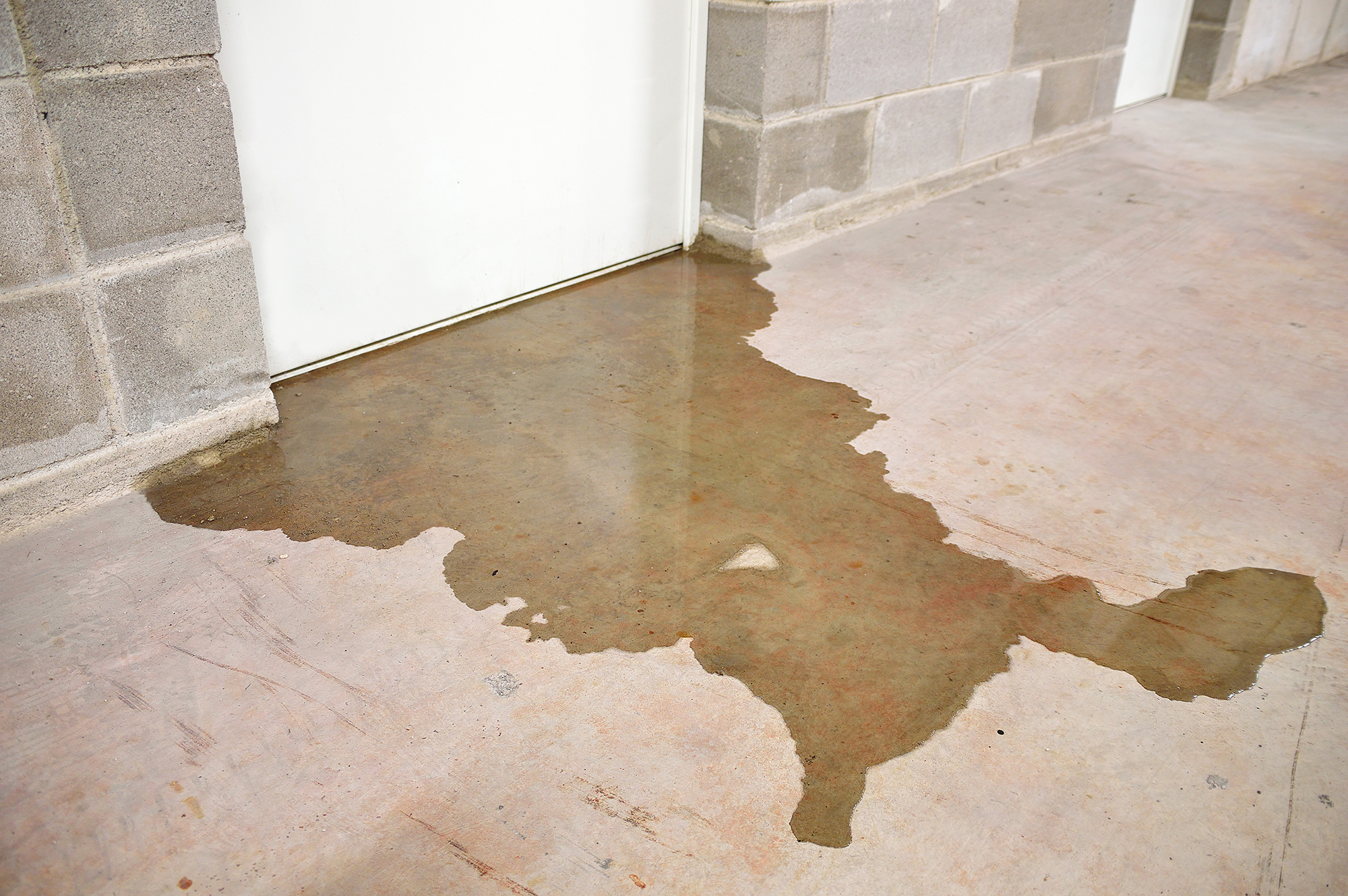
After all, once water starts to seep in through cracks and crevices, the area becomes virtually unusable. Nothing can be stored down there anymore. The floor area is wet, and the walls are oozing damp.
Apart from the unpleasantness, a leaky basement can cause structural problems for your house in the long run. It can also lead to health hazards. The mold and mildew can cause serious problems for the family. Every time you walk into the house from outside, you can smell that dank odor wafting up from downstairs. Not fun.
To prevent all the hassle, here are some basement waterproofing tips so you can keep your basement dry and functional at all times.
Heed the warning signs
There will be telltale signs. Don’t ignore them. The sooner you investigate where the damp is getting in, the quicker you can fix the problem. Peeling paint, moldy patches, dampness, if not outright puddles mean that you need to get cracking with repairs.
Other signs you should look out for include the following:
Over the counter solutions
Don’t try and solve the problem by slapping on a coat of so-called waterproofing paint. The water is getting in from outside, and it is there that you need to stop it. Once it gets through your foundations and basement walls there’s little you can do. The fix has to be preventing it getting through in the first place.
Slope, slope, slope
The problem is often from below ground level, and you need to pinpoint where it is entering before you can start fixing it.
Rising ground water following heavy rains is a common source of these problems.
One way to prevent rainwater from seeping into your walls, is to make sure your garden soil is graded properly. Grading means you’re sloping the soil around the foundation of the house away from the structure. This minimizes the pressure of water against your walls and foundations. This goes a long way toward preventing leaks in the future.
Seal those cracks right away
Structural cracks in the walls and floor, detract from the appearance and stability of your home. In time they are likely to lead to damp problems. Before this starts happening, they need to be sealed. This means cleaning them out to the proper depth. All loose material must be brushed out and removed, and they should be caulked with the best concrete waterproofing sealant you can find.
If the cracks are already too big and won’t be solved by simply sealing them up, contact waterproofing professionals immediately.
No gutters, no glory
Gutters are oft-neglected parts of a home, but they play a key role in keeping your structure dry and waterproof.
Gutters get filled with debris that is washed off the roof when it rains. Leaves, dust and trash that the wind blows onto your roof will eventually clog the gutters. The result is that rainwater can’s escape. Once it overflows, it will start running back under the eaves and down your walls resulting in dampness much lower down in the house.
Equally important are the gutter downspouts Even if the gutters are clear, if the water cannot find its way down to the ground it will back up and cause problems.
In addition, the downspouts should never discharge straight down next to the walls. This is a sure-fire way to create dampness problems. Always lead the water away to a safe distance where it cannot flow back towards the house.
Periodic maintenance is essential for dry basements
Make sure you periodically check the gutters and maintain or repair them as needed. You can install gutter guards to keep debris like fallen leaves away from the channels. Likewise, check the connected downspouts to ensure that they are working efficiently and are not clogged or damaged.
Be aware and act immediately
The moment you spot unusual wet or moist spots in your basement, or perhaps you get a whiff of mold anywhere, you need to act fast. It’s a sure sign that there’s likely a waterproofing issue that needs to be addressed right away. When things get too complicated or you are stumped about how to solve certain basement leaks or flooding problems, call your local basement waterproofing contractor and schedule an inspection at the soonest possible opportunity.
At Anchor Waterproofing we have had many years’ experience solving these issues. We will quickly and efficiently get to the root of the problem, and solve it for you, economically and permanently.
Contact us and let us solve all your waterproofing issues.
Waterproofing your home is not the easiest task, especially if you’re going to try and do it yourself. If you don’t plan everything right and execute properly, you’re going to end up with mishaps that are more trouble than they’re worth.
Mistake #1 – Lack of preparation
GI Joe has taught us that ‘knowing is half the battle’. That’s mostly true, especially if you’re on a DIY job and you’re not particularly well-versed in the nitty-gritty of home waterproofing. Research goes a long way. You need to first have a proper understanding of the problem that you need to address. Only then should you start making plans as to how to remedy the issue.
You need to make sure you’re armed with as much information about the task as possible. This includes knowing what your house needs, the tools required to pull off the task, what materials you need to purchase, and of course how to go about the execution.
Mistake #2 – Not taking your measurements seriously
In any waterproofing job, there’s zero room for error when it comes to measurements. If your coverage is an inch short, the job’s a bust. Ok, it’s not entirely ruined, but it’s still more optimal to get your measurements right the first time. This way, your materials are cut just right, components are positioned right where you need them to be (and where they can function properly). The result is a great job, successfully accomplished.
Mistake #3 – Believing all the commercials you see in the media
You’ve seen those ads. They tell you that a one-step sealant will repair all your leaks. While they may give temporary results, they almost certainly won’t last. Also, quick unprofessional solutions will surely result in the need to make even more repairs in the future.
For example, using a waterproof paint sounds good. In particular conditions, it really will help you finish a wall properly. However, you can’t just apply a few coats of it on your home’s surfaces and think you’re done.
You need to check the reviews of the product you intend using. They may all advertise the same level of effectiveness, but many of these products can do more harm than good. For example, they may easily flake off after a while, and you’ll find yourself dealing with the moisture and damp seeping in again.
Mistake #4 – Using caulk to seal cracks
One of the commonest problems is water seeping through wall or basement cracks. Many homeowners think that the easy cure for all cracks is to apply caulk. While it will probably provide a temporary solution, it won’t last. You need to research the proper way to really seal those cracks and fissures, so that they stay closed. The cracks need to be cleaned out and dry before you start. A quick fix without preparation is no fix at all.
Mistake #5 – Not knowing your limits
Wouldn’t it be nice to pull off a waterproofing job all by yourself? Just you, your plans, and your tools. Unfortunately, that often won’t pan out. Especially for larger-scope tasks such as complete basement waterproofing overhauls.
Such tasks will be hard enough for seasoned veterans, and even then, they will still likely turn to the professionals for a more thorough job. You shouldn’t hesitate to do the same. That way you’re assured that no leaks or moisture will keep you from enjoying your home. Waterproofing pros will also have a better understanding of the specific conditions that may be present in your home, allowing for more bespoke fixes and solutions.
Don’t hesitate to consult the Waterproofing Pro’s
Due diligence is the answer. Research about your waterproofing requirements and plan properly so that you can do the job at hand well. This way, you’ll be prepared, and you can avoid making costly waterproofing mistakes that can lead to more stress in the long run.
When all else fails, look for the best contractor you can find to help you out with your waterproofing! For free advice and a reliable quote for doing the job right the first time, call Anchor Waterproofing. We’re a family owned, and operated company licensed since 1997 with a total of 30 years experience.
We are licensed, bonded and insured to work in all counties in the state of Maryland. We also perform work in Prince George’s County, Montgomery County.
For your convenience: We offer free advice 24 Hours A Day 7 Days A Week!
Contact Us Now At: (410) 918-2400
Flooding outside your home, in the streets, is never fun. You know what’s worse? If you answered ‘flooding right inside your home’, then you’re right! This can be especially tricky for that part of your house that’s below ground level: the basement.
It can happen any time, even at times you least expect it. The likelihood is higher during periods of rainy or stormy weather, but basements can flood during dry seasons as well. Let’s check the reasons why basements flood so we can see if there’s anything that can be done in case you’re stuck in this unsavoury situation.
Gravity
It’s kind of hard to pin the blame on one of the most basic physical forces we deal with on a daily basis, but it is what it is. Gravity will naturally lead water from a high point to a lower point, so it’s important to know if your basement is at a lower point than the groundwater level around your home.
That, combined with any cracks on your basement walls or foundation floor, makes a perfect recipe for basement flooding. That’s because gravity will do its best to lead that groundwater to any openings it can find on lower planes.
Lot grading
Things can be compounded by poor lot grading, which occurs when the land or the ground surface around your home is sloped in such a way that water flow tends to move towards your home instead of away from it. Downspouts could compound this issue when they are positioned poorly as well, further diverting more water straight to your home.
Unmaintained foundations
Cracks can develop in a house’s foundations over years or decades, especially where external factors like earthquakes or construction around the area can affect the foundations’ integrity. These cracks and fissures will let water seep into your basement.
Plumbing issues
Because the pipes used for plumbing are usually routed around and through the basement, it’s important to make sure that they are well-maintained. If there are leaks or breaks in the piping, then the water supply or wastewater can start accumulating in areas in and around your basement.
This is an example of flooding that can occur even during dry weather, so be sure to periodically check the seals in your water supply lines and wastewater pipes.
Poor sewage system management
This happens when the sewage system in your area is overloaded, leading to full and backed-up sewers, which then leads to sewage flowing right back into your home. That’s not a pretty picture to imagine, but it’s even worse when the sewage starts entering through fixtures such as sinks or drains in your basement.
Lack of drainage
If your basement runs the risk of accumulating water over stretches of time, it’s only fitting that you equip it with ways to expel said water. Invest in a foundation drainage system that continuously works to discharge the groundwater or rainwater around your home.
Flooding in the basement can be caused by a number of issues, or even a combination of the aforementioned reasons. If you don’t want to take the risk of diagnosing the flooding on your own, make sure you contact professionals who can properly assess and address the problems plaguing your basement.
Step one—drain the water
Before you do anything, take a few photos surveying the area so you have proof for your insurance company. Ideally, insurance will cover the damage to your home so you will have to worry significantly less about the cost of the prospective repairs.
Next, you need to get rid of all the water inside your basement. You will need to wait until the flood outside the house subsides, because there’s no point otherwise and the water will just come back into the basement. In addition, if there’s still a high level of water outside, the water could push on your basement walls and cause more problems.
If you have no easy way to drain the water from the basement, you can always look for a sump pump to help easily get rid of the flood. Make sure you don’t pump faster than the rate at which the flood outside your home subsides.
Drying out the basement at the first opportunity will help decrease the opportunity for mold and mildew to develop in the flooded area.
Clean the space
There will be residue and deposits from the floodwater, so you should clean that up. Scrape everything off the walls and floor or wash it all away with a heavy-duty hose. Cleaning out your basement will allow it to dry faster and more properly. For more persistent residue, you may need to scrub more thoroughly.
Once everything is all neat, take time to disinfect the space, especially in nooks and crannies. Flood water could have brought bacteria and other harmful microorganisms into your basement, so it’s important to ensure that everything is sanitized.
Take some waterproofing measures to prevent future flooding
Your work will be for naught if you don’t get proper waterproofing for your basement. If you haven’t invested in a sump pump yet, try to determine whether or not you should. Also consider if your home can accommodate a sump pump system. You can also check out alternative methods for basement drainage and find the best fit for your needs.
Consult professional waterproofing services to ensure total flood prevention in your basement in case of future flash floods. Don’t just get quotations and advice from one contractor; try to have a selection and see which one gives you the best possible treatment to go with the appropriate flood-prevention solutions. Sometimes, contractors will upsell for extravagant fees, so you need to stay critical. It’s better if you have other contractors’ estimates for comparison.
Taking immediate action and putting precautions in place is the proper response to a flooded basement. You can’t predict when the next flood will occur, so it’s best to be prepared for the worst-case scenario.

Wet basements are certainly unpleasant places, and the damp, musty, moldy smell will tend to permeate your whole home every time the house is closed up for a period. Returning from a great vacation, to be met by that nasty odor when you open the front door, is certainly going to spoil your mood!
Aside from the damage to the contents, the basement floor, walls and ceiling too will eventually require considerable restoration work if the damp is allowed to remain. So the question really is where to begin in solving this common issue.
Start outside the house
Contrary to popular thinking, the first place to look is outside the home, and not in the basement itself. While the damp may be the result of water rising from below, it can just as frequently be from problems at roof level. When you get the next downpour of rain, put on your coat and take a stroll around the house. Walk right around the perimeter of the premises looking up for any signs of water dripping or streaming over the gutters. This is a sure sign that the problem is coming from above and not from below. How to dry a wet basement is often a rooftop issue!
Diarize home maintenance chores and get them done.
Just as with your car, regular servicing and maintenance will pay off in the long run, so too with the home. It’s amazing how the relatively simple, but important task of cleaning the debris and junk out of your gutters, is left unattended. Preventative maintenance will save you dollars in the long run, with neglect being the main culprit behind many plumbing and drainage issues. Make sure to get a qualified professional to do this for you before the start of the rainy season each year. Set up an annual maintenance routine, and the question of how to dry a wet basement will hopefully become a non-starter.
Where is all that water going?
Let’s assume that you have checked around the house, and the gutters seem to be flowing smoothly with no sign of any water overflowing. The next question to ask your self is where all that water from the roof is going. The obvious answer is: down through the downspouts and onto the ground around the house, but that could be the cause of the problem itself! If the discharge from the downspouts is too close to the walls, the chances are that a lot of that the soil alongside the walls is becoming saturated. From there, the water will percolate straight down alongside your walls into the foundation area. You definitely want to prevent that happening as this is a common cause of wet basements.
Move that water away from your walls
The downspouts can quite easily be extended by means of extension pipes. This enables the water to discharge far enough away from the walls to prevent seepage into the basement area. Although this is an easy fix, it may be preferable to actually sink the pipes beneath the ground surface so that mowing the lawn is made easier.
In order to achieve this one digs a shallow trench, sloping away from the house, into which the pipes are be permanently placed. This is then covered with turf to match the lawn. If the work seems too difficult, call in your local professional landscaping contractors to give you a quote.
How to solve waterlogged yards
The soil in some yards is naturally saturated with water for months of the year. Where this is caused by ground water flowing down slope towards the house, the problem can be solved by means of a French drain. If the problem is caused by a naturally high water table, it may require the use of a sump pump to move the water from the environs of the house.
Whatever the cause, a ready solution is available. If you want to know how to dry a wet basement, give us a call! We’ll come out for a free inspection, will advise you at to the best and most economical fix for your problem.

Where is the dampness coming from?
The problem is obviously lingering dampness, and the source of that may be located anywhere inside or outside of the building. What you need to do is to check all the possible areas where the water may be getting in.
Let’s start outdoors. Water outside the home generally comes either from above, in the form of rain, or from below in the form of ground water. Rain water needs to find a suitable way to leave your roof without penetrating into the structure of the building, and so this is the first place we will check.
First place to look is right up on your roof
If your shingles were in a bad state of repair, you would probably have spotted damp patches up in the ceiling already, so let’s rule that out for now. What one needs to keep in mind is that no matter how sound your roof covering may be, the water hitting it needs to find a quick and sure route down to the ground outside your house. The first part of that route is via the gutters, and if these are clogged, the water will soon build up and spill over, leading to all sorts of problems. One of these is the damp musty moldy odor that you are trying to eliminate.
Let the professionals do it for you
Viewed from ground level, your gutters may look fine. They probably are, but you can’t see what’s inside of them without climbing up to roof height and having a closer look. Don’t try it yourself! As much as you want to get rid of the damp musty moldy smell, this is definitely a job you want to leave to trained professionals. As many a homeowner has discovered when starting the climb up a long ladder, the ground looks much further than you had first expected! Also the ladders you are likely to have lying around the house are neither long enough, steady enough or robust enough for this type of work. While you might be tempted to take a trip to your local Home Depot or Lowes, where you’ll find the helpful staff showing you a variety of extension type ladders, this isn’t a good idea either. Ladders suitable for roof height work, are expensive and cumbersome to handle. It’s just not worth it the bother or the cost. Even if you can make use of the ladder, you’ll have to find somewhere to store it afterwards, and you know how much unused stuff is already lying in your utility room!
How does that gunk get up there?
Getting back to the gutters, windy weather has an amazing way of depositing all sorts of debris on your roof, and this is going to wash straight down into the gutters with every rain. Wind borne dust builds up to form a a nice layer of sandy gunk over time and it’s amazing how quickly stuff can actually start growing up there. Then there are the leaves and vegetable detritus that the wind can bring from neighboring gardens, even if you have no high trees around your home. This all has a way of ending up right in your gutters, where it both settles and they then gets flushed into the downspouts, where it starts building up over the months and years. The combined effect over time, is to stop the proper flow and allow lots of water to back up and accumulate where you definitely don’t want it to be.
So before going any further, call your friendly local professional waterproofing experts, and let them come and check out your roof and gutters for you. This may solve the problem and get rid of that damp musty moldy smell with very little expense and trouble.